
Dr. Gidon Eshel is not the kind of climate scientist who limits his attention to melting glaciers or atmospheric physics. Trained as a physical oceanographer at Columbia University and later a postdoctoral researcher at Harvard, Eshel has spent the past two decades changing how the world understands the environmental footprint of food.
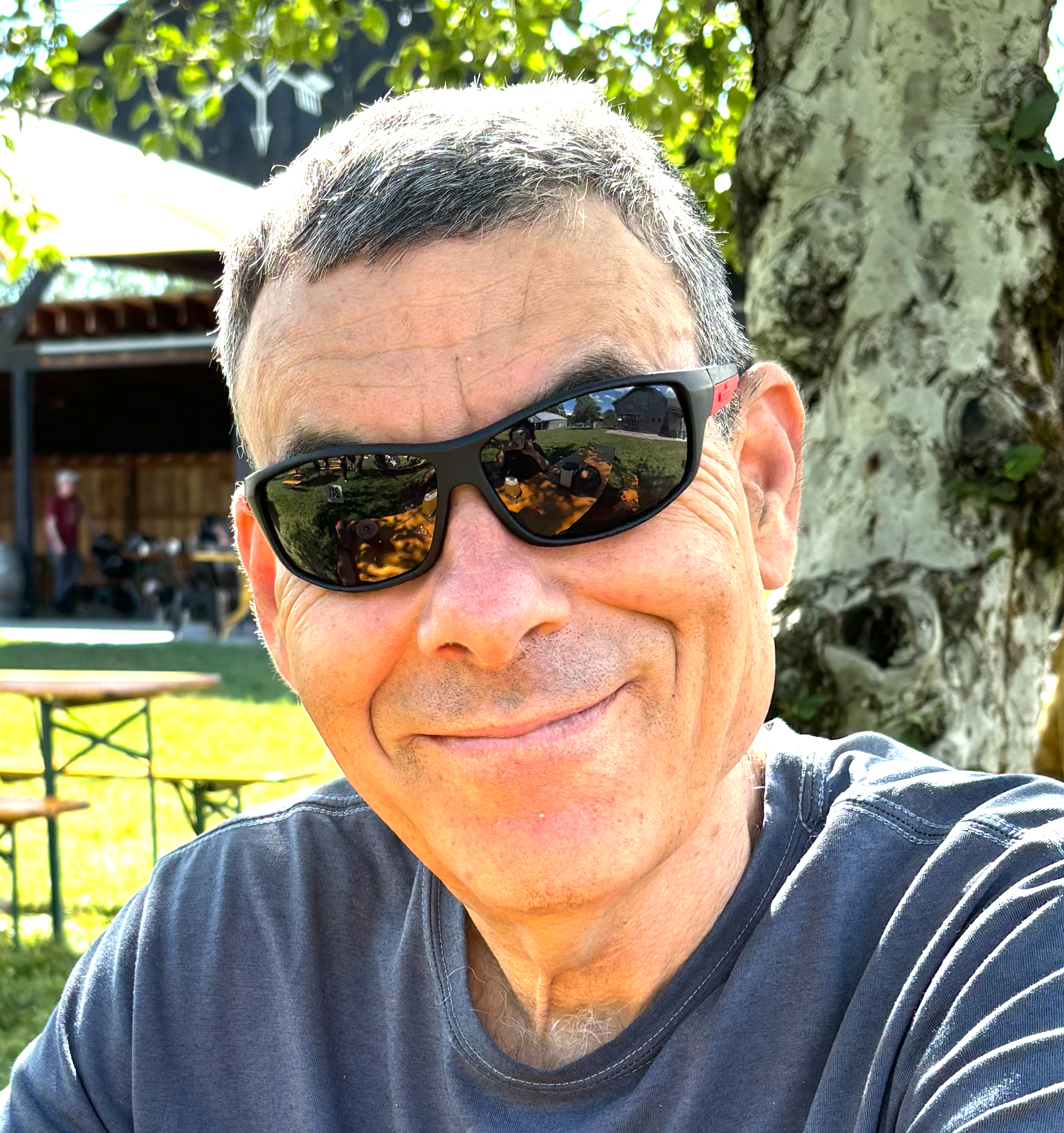
Now a Research Professor at Bard College and a Visiting Scholar at Harvard’s Department of Earth and Planetary Sciences, he has become one of the most influential voices connecting daily dietary choices with global ecological outcomes.
With work in geophysics, agriculture and nutrition, Eshel offers a rare, systems-level view of how what we eat shapes the planet. His research has demonstrated, with striking clarity, that food is not merely a personal or cultural matter, but a driver of land use, water demand, and greenhouse gas emissions on a scale that challenges transportation and energy systems.
His findings on the environmental cost of beef have triggered international conversations and appeared in top scientific journals as well as major media outlets from The Washington Post to the BBC.
Eshel frames food as an untapped source for climate progress. His work on nutritionally sound, environmentally optimal diets shows that small, voluntary shifts in eating habits can yield major reductions in emissions and resource use, thus putting one climate solution within reach of individuals and communities alike
In our interview, Eshel reflects on his career path that led him from ocean circulation models to the dinner plate, the misconceptions that still dominate conversations about sustainable eating, and why he believes the food system is one of the most powerful arenas for climate action.
Watch the full interview below.
*All images © Gidon Eshel
Disclaimer: The views and opinions expressed in this interview/spotlight are those of the interviewees and do not necessarily reflect the views or positions of Public Health Landscape or Valent BioSciences, LLC.