carbon dioxide
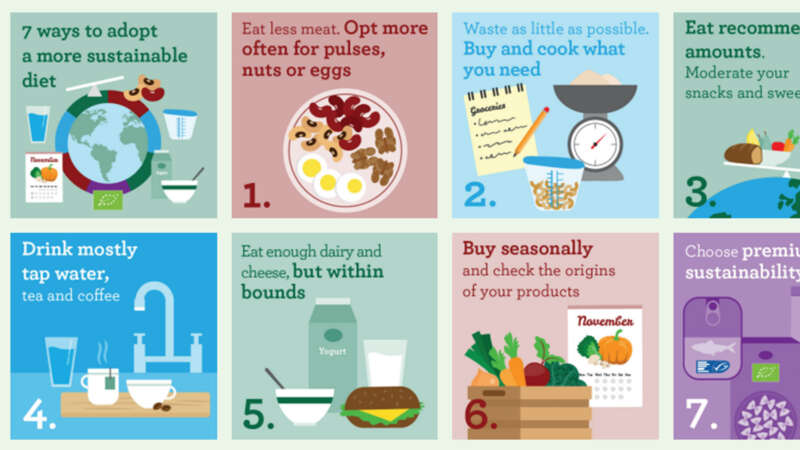
7 Steps to a More Sustainable Diet
Here are seven steps to a more sustainable diet.
Did you know that food production contributes about 21-37% of human-caused emissions?
To reduce your climate impact, eat more plant-based foods and reducing meat and dairy consumption, as these require fewer resources and produce fewer greenhouse gases.
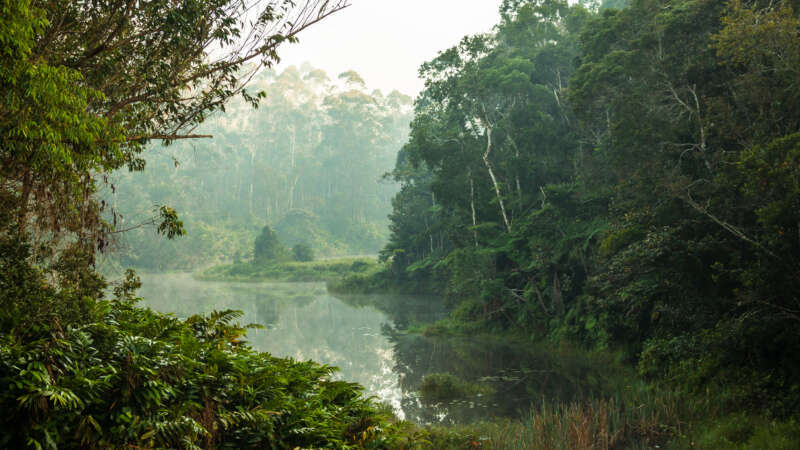
Reforesting the Planet, Restoring the Future
The preservation of the planet’s biodiversity relies entirely on how we manage and interact with the world’s forests.
Reforestation is a critical strategy for mitigating climate change because it increases the Earth’s capacity to absorb carbon dioxide (CO₂) – the main greenhouse gas driving global warming – while also enhancing ecosystem resilience.
In particular, we look at recent studies investigating the most cost-effective approaches to reforestation and the mitigation of climate change. For many years, forest managers have been asking which is best: allowing forests to naturally regenerate, on the one hand, or to plant new forests?
Our Broken Planet: How to heal our rainforests
Breathe in. Breathe out. The oxygen flowing through your body is the result of photosynthesis: the natural process through which living things convert sunlight into energy. About 30% of land-based photosynthesis happens in tropical rainforests. Rainforests are also great at sucking up excess carbon from the atmosphere – something we know we’ve got to do more of.
But in recent years, rainforests have been getting constricted: shrinking in size and choked up with smoke.
Listen to this podcast from the National History Museum to find out what’s going on and how we can help rainforests breathe deeply again.
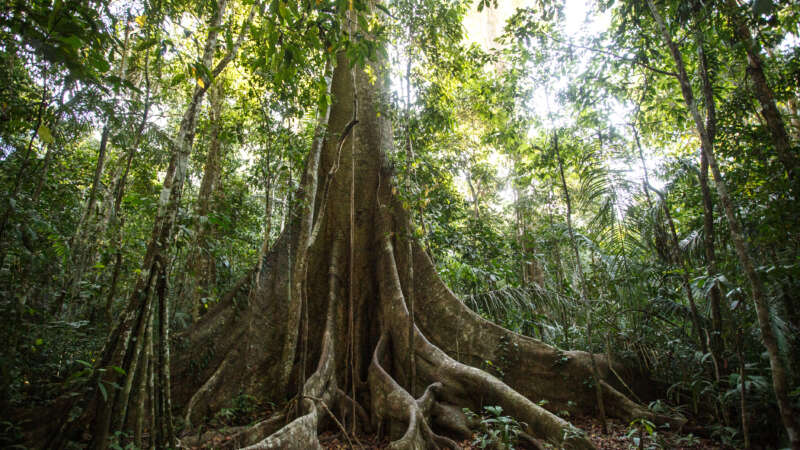
Indigenous Peoples’ Role in Protecting Forest Health
Nearly a quarter of the world’s population, or about 1.6 billion people, depend on forest resources to sustain their livelihood. This number includes an estimated 60 million who are members of indigenous groups. The worldviews of most indigenous cultures include a sacred obligation to serve as stewards of a healthy forest that can sustain its inhabitants for generations.
Indigenous peoples have been effectively managing their forests since “time immemorial,” yet governmental and scientific forestry experts have only recently begun to seek out the knowledge that indigenous peoples have about environmental management.
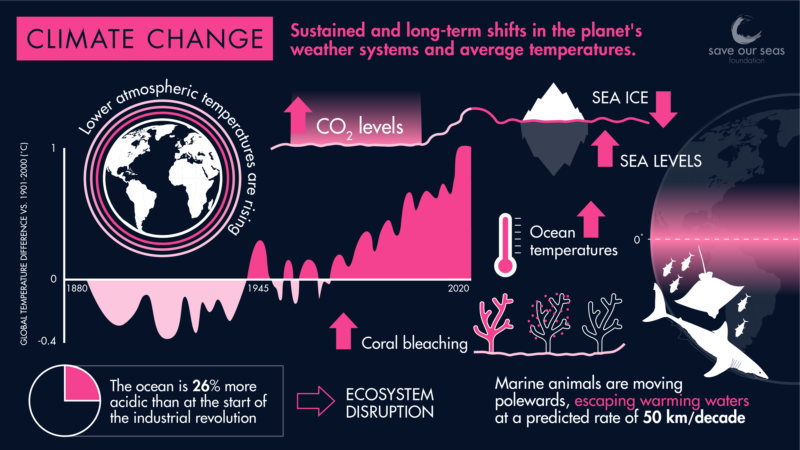
Infographic: Carbon & The Sea
By releasing greenhouse gases into the atmosphere, humans are changing the global climate in ways that are affecting the marine environment in terms of weather patterns, water temperature, sea level, ocean chemistry, currents, coastal erosion and the frequency of storms.
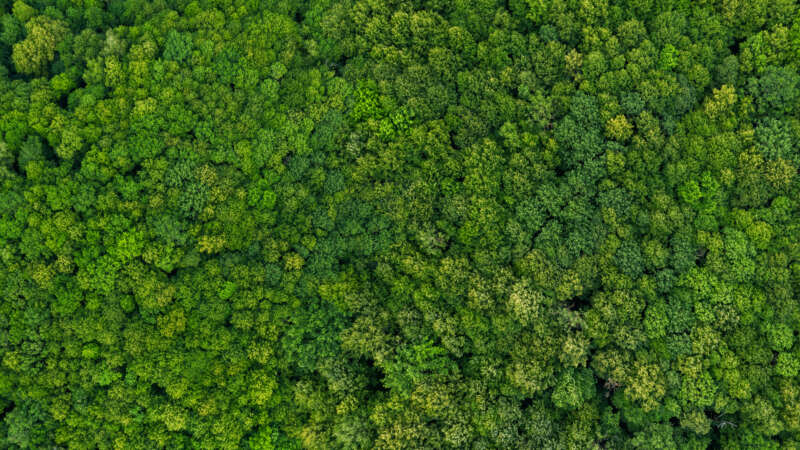
Forests & Earth’s Temperatures
Seeing the forest through the trees is an expression you may not think of when the topic of global warming comes up. However, 31% of the earth’s surface is covered by trees and each one is working overtime to sequester carbon to combat global warming. Carbon sequestration is a natural or artificial process by which carbon dioxide is removed from the atmosphere and held in solid or liquid form, and it is estimated that forests absorb approximately 7.6 billion metric tons of carbon annually.
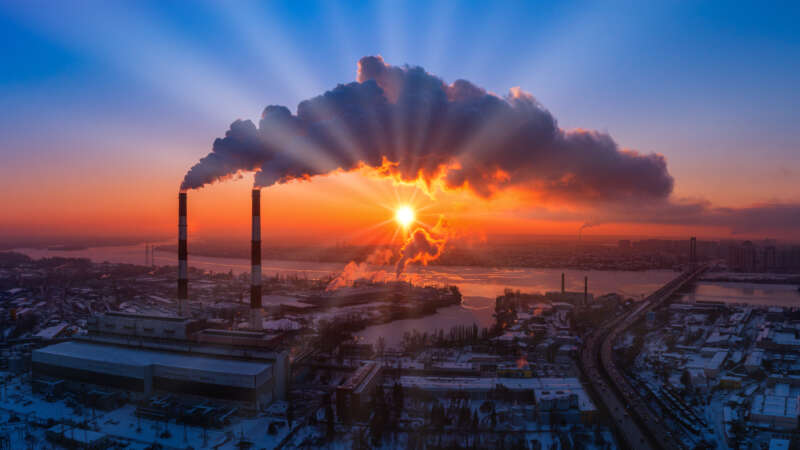
Health Impacts of Climate Change
The debate about whether climate change is a real phenomenon – and whether humankind is responsible for the alarming rise in greenhouse gas (GHG) levels – is largely a thing of the past. Three decades of research has put forth what most scientists consider incontrovertible proof that escalating levels of carbon dioxide (CO2), methane (CH4), and nitrous oxide (N2O) are a direct result of human activities ranging from deforestation to emissions from energy production, industry, and agriculture.