climate control
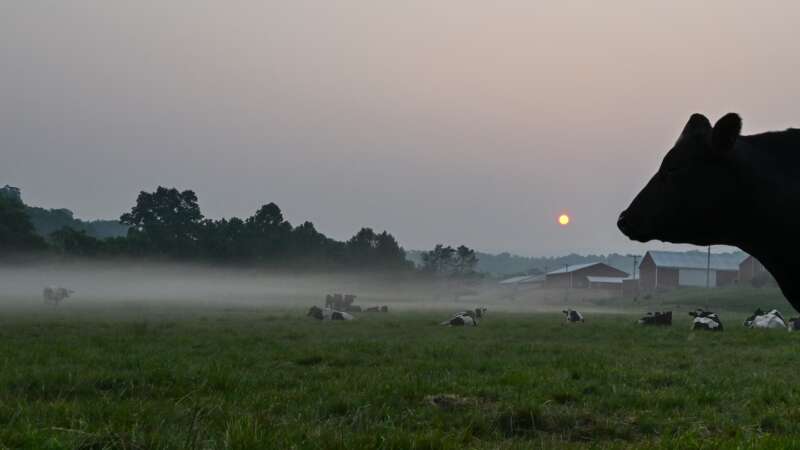
Your Grass-fed Burger isn’t Better for the Planet
For years, ranchers and some conservationists have argued that grass-fed beef is better for the planet than conventional cattle.
But a study published [March 2025] in the Proceedings of the National Academy of Sciences challenges that idea, finding that cattle raised only on pastures do not have a smaller carbon footprint than feedlot cattle, which are quickly fattened on corn and other grains. This held even when the researchers took into account that healthy pastureland can help capture more carbon by pulling it out of the air and storing it in roots and other plant tissues.
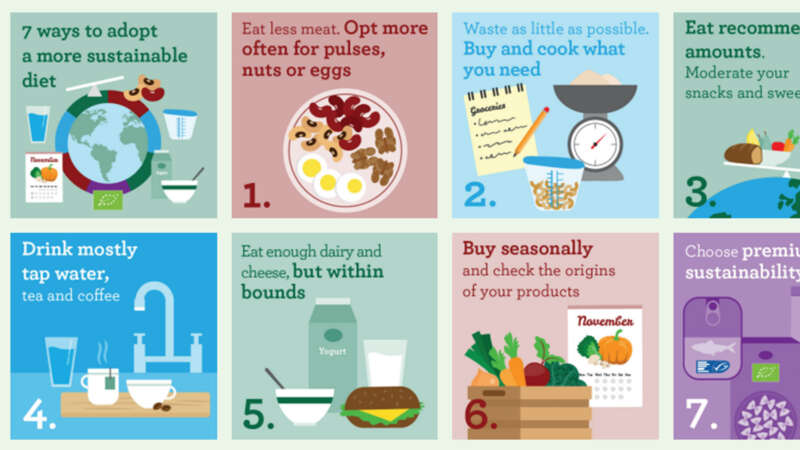
7 Steps to a More Sustainable Diet
Here are seven steps to a more sustainable diet.
Did you know that food production contributes about 21-37% of human-caused emissions?
To reduce your climate impact, eat more plant-based foods and reducing meat and dairy consumption, as these require fewer resources and produce fewer greenhouse gases.
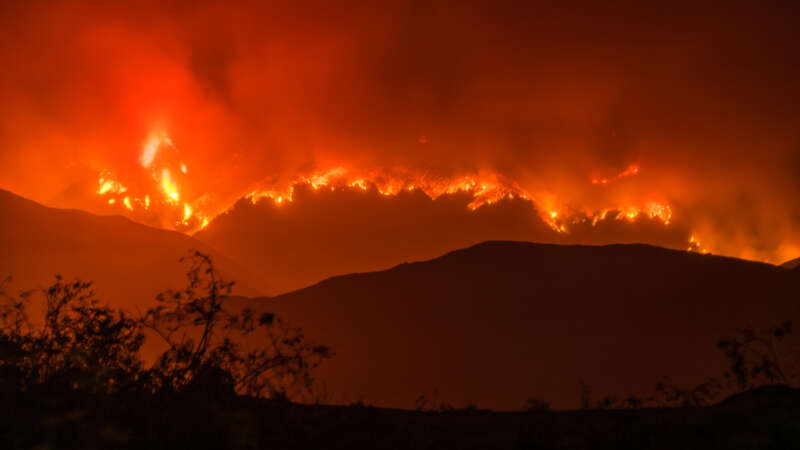
The Age of Firestorms
Dr. Roslyn Prinsley never imagined that stepping outside her home in Canberra would feel like walking into a smoke-filled abyss. But during Australia’s devastating bushfire season in 2019-2020, even in places untouched by flames, the air was so thick with smoke that breathing felt impossible.
“I asked myself, what are we doing here in the 21st century? We can’t actually go outside and breathe fresh air in one of the cleanest countries in the world,” she remembers thinking. “We can’t let this keep going.”
Dr. Roslyn Prinsley is the Head of Disaster Solutions at the Australian National University’s Institute for Climate, Energy & Disaster Solutions (ICEDS). Finding innovative ways to fight wildfires is part of her daily work – a task that has become more urgent than ever as wildfires grow increasingly frequent in Australia and across the globe due to climate change.
Wildfires are projected to rise 30% by the end of 2050, according to a report by the UN Environment Programme (UNEP) and its partner GRID-Arendal.
One of the recent wildfires in California became the most destructive in Los Angeles history, killing at least 29 people—a number expected to rise—and reducing over 10,000 homes to ash. A perfect set of environmental factors such as long-term drought, preceding heavy rainfall, and hurricane-force Santa Ana winds combined at the worst possible moment.
All of this turned the regular wildfire into what’s called a firestorm.