environment
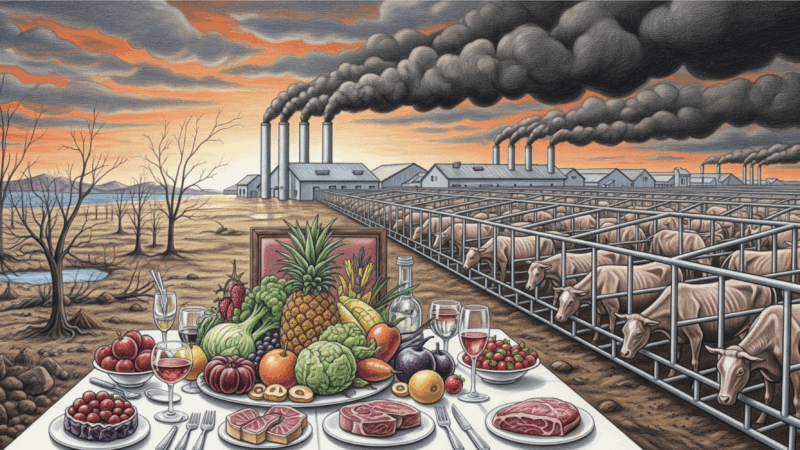
How Your Plate Affects Your Planet
Humanity’s growing demand for animal meat is driving a planetary crisis, accelerating climate change, devastating ecosystems, and threatening public health.
Two grim, almost surreal, 26-story buildings tower over the southern outskirts of Enzhou, about 500 miles west of Shanghai in China’s Hubei province. No one would mistake them for apartment complexes despite their neat grid of window-like slots. Indeed, their main inhabitants are not human at all. The buildings are designed specifically to meet the biological and reproductive needs of 600,000 pigs each. Here they will be bred, farrowed, fattened, and finally slaughtered to meet the exploding animal protein needs of China, which consumes half the world’s pork and is also its biggest pork producer.
It is the world’s largest vertical pig farm, designed to manufacture 54,000 tonnes of pork every year. The building’s design reflects its unique function. Each of its six giant elevators can hoist a load of 10 tons, or about 100 pigs, at a time. Every utility and process, from the building’s water supply, electricity, and air conditioning, to its automatic feeding machines and smart air filtration and disinfection systems, can be monitored and controlled centrally from a NASA-like command center on the first floor. A stupendous amount of pig manure is processed daily in a biogas-driven waste treatment system and turned into electricity for lighting and heating the buildings. About 400 such ‘pig-rises’ could meet a part of China’s and the world’s growing appetite for animal proteins.
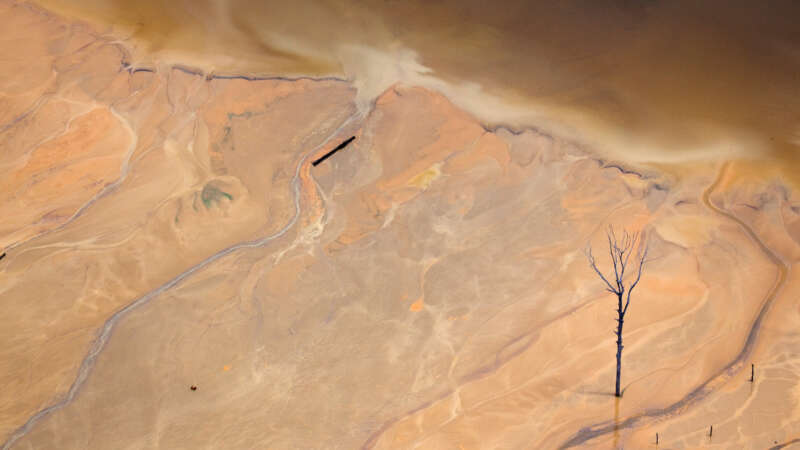
Daniel Beltrá: Capturing Earth’s Beauty and Humanity’s Impact
Daniel Beltrá, a Madrid-born photographer now calling Seattle, Washington, his creative haven; has a distinctive approach to his photography. His most captivating works are large-scale photographs taken from the air, providing viewers with a sweeping panorama of our world’s wonders and woes.
His unwavering passion for conservation can be seen from this elevated vantage point as he skillfully reveals the contrast of nature’s magnificence and humanity’s destructive footprint.
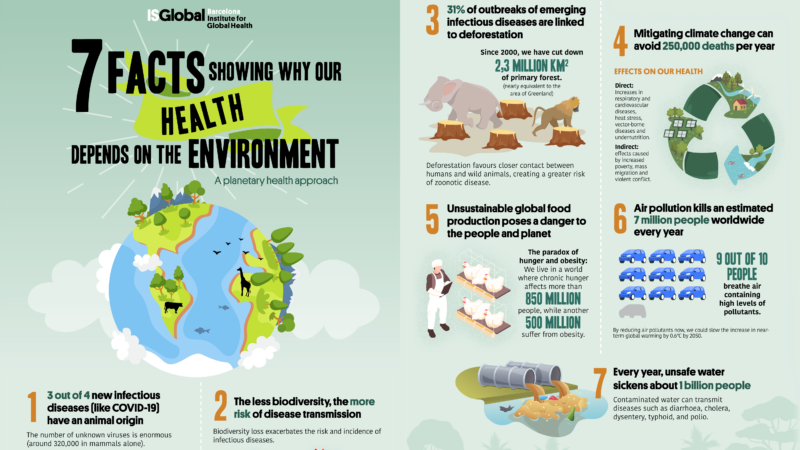
Guardians of the Forest
In September 2018, indigenous and local community leaders from Latin America and Indonesia, the Guardians of the Forest, travelled to California with a mission to …
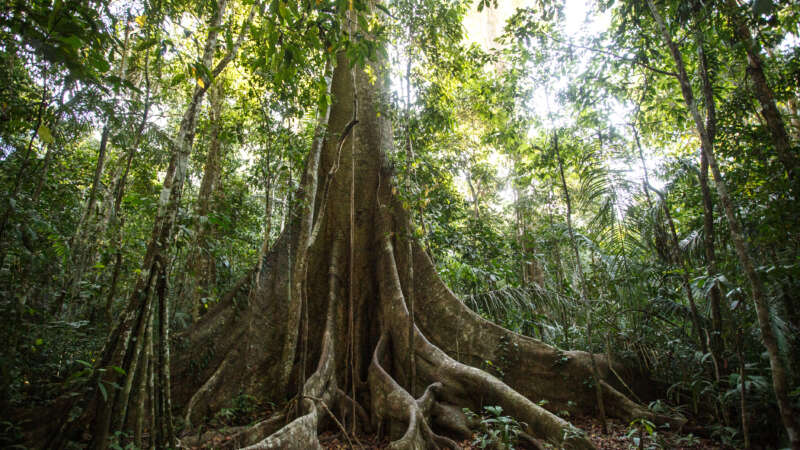
Indigenous Peoples’ Role in Protecting Forest Health
Nearly a quarter of the world’s population, or about 1.6 billion people, depend on forest resources to sustain their livelihood. This number includes an estimated 60 million who are members of indigenous groups. The worldviews of most indigenous cultures include a sacred obligation to serve as stewards of a healthy forest that can sustain its inhabitants for generations.
Indigenous peoples have been effectively managing their forests since “time immemorial,” yet governmental and scientific forestry experts have only recently begun to seek out the knowledge that indigenous peoples have about environmental management.
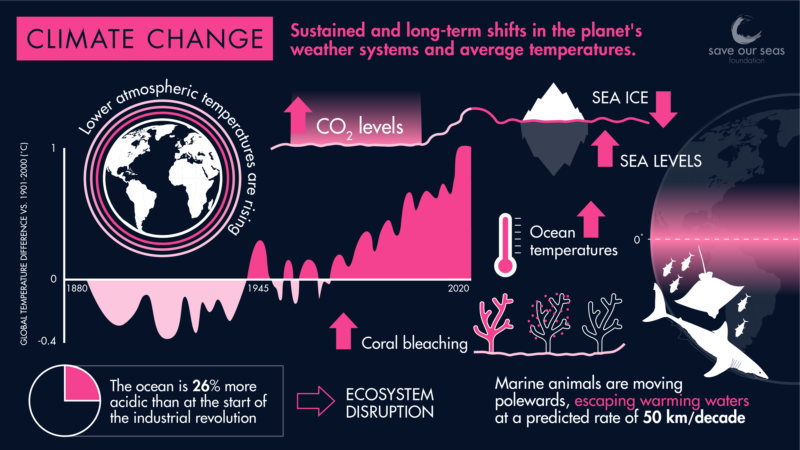
Infographic: Carbon & The Sea
By releasing greenhouse gases into the atmosphere, humans are changing the global climate in ways that are affecting the marine environment in terms of weather patterns, water temperature, sea level, ocean chemistry, currents, coastal erosion and the frequency of storms.