global warming
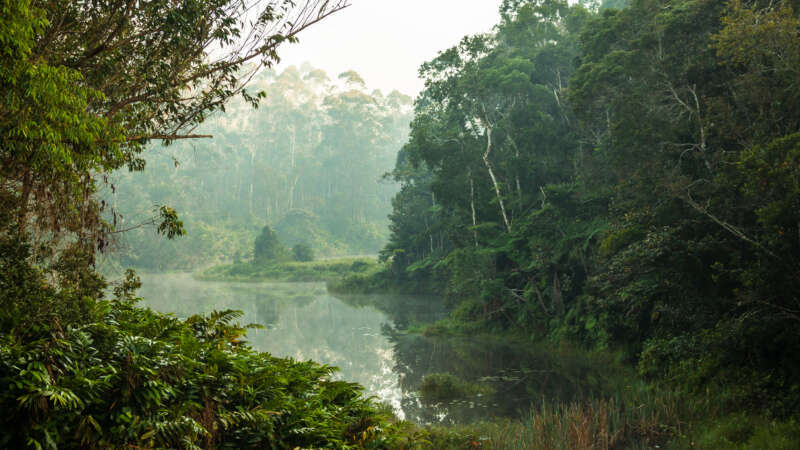
Reforesting the Planet, Restoring the Future
The preservation of the planet’s biodiversity relies entirely on how we manage and interact with the world’s forests.
Reforestation is a critical strategy for mitigating climate change because it increases the Earth’s capacity to absorb carbon dioxide (CO₂) – the main greenhouse gas driving global warming – while also enhancing ecosystem resilience.
In particular, we look at recent studies investigating the most cost-effective approaches to reforestation and the mitigation of climate change. For many years, forest managers have been asking which is best: allowing forests to naturally regenerate, on the one hand, or to plant new forests?
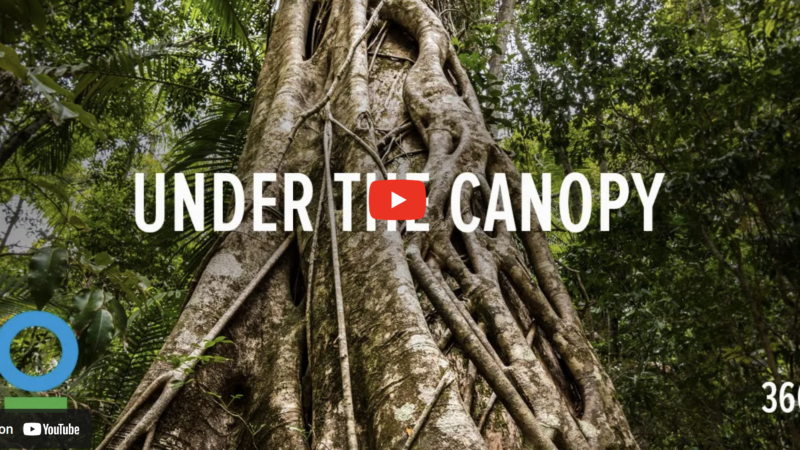
Under the Canopy
Journey into the largest tract of tropical rainforest on our planet — the Amazon.
Narrated by indigenous guide, Kamanja Panashekung, and actor Lee Pace, this new virtual reality film by Conservation International and Jaunt VR takes you into the Amazon and urges the protection of world’s largest rainforest.
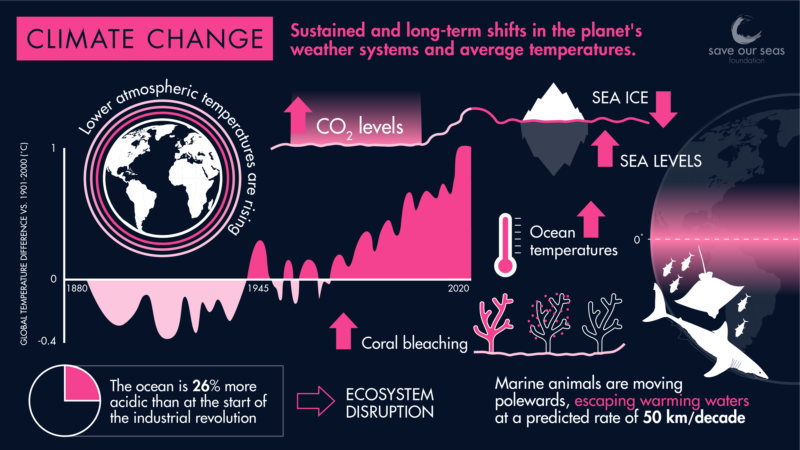
Infographic: Carbon & The Sea
By releasing greenhouse gases into the atmosphere, humans are changing the global climate in ways that are affecting the marine environment in terms of weather patterns, water temperature, sea level, ocean chemistry, currents, coastal erosion and the frequency of storms.
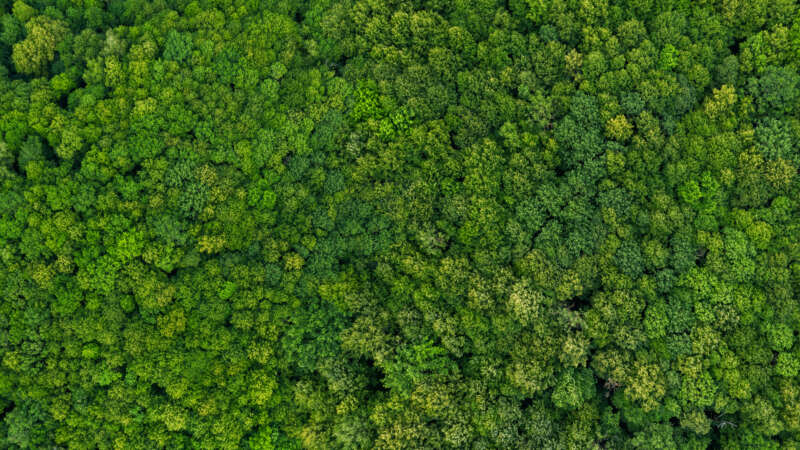
Forests & Earth’s Temperatures
Seeing the forest through the trees is an expression you may not think of when the topic of global warming comes up. However, 31% of the earth’s surface is covered by trees and each one is working overtime to sequester carbon to combat global warming. Carbon sequestration is a natural or artificial process by which carbon dioxide is removed from the atmosphere and held in solid or liquid form, and it is estimated that forests absorb approximately 7.6 billion metric tons of carbon annually.