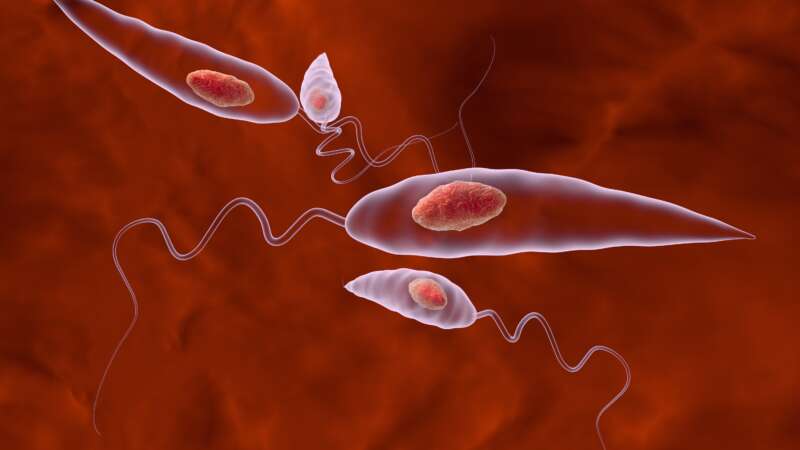
leishmania infantum
Dr. Gosia Domagalska: Outwitting Leishmania
In the quiet corridors of the Institute of Tropical Medicine (ITM) in Antwerp, Belgium, Dr. Malgorzata “Gosia” Domagalska is leading the fight against one of the world’s most neglected yet devastating diseases: leishmaniasis. As head of ITM’s newly established Unit of Experimental Parasitology, she has dedicated her career to understanding how parasites adapt, survive, and outwit medicine.
Domagalska’s path to parasitology was anything but straightforward. Trained as a geneticist, she earned her PhD in Plant Genetics at the Max Planck Institute in Cologne, followed by a Marie Curie Fellowship at the University of York. Early on, her research focused on plant development and hormones. But a shift came when she joined ITM in 2015: “This work is compelling not just scientifically, but socially,” she has said.
Sand Flies: The Silent Biters Spreading A Deadly Disease
Phlebotomine sand flies are notorious biters. They not only cause great irritation but are also capable of spreading a deadly disease – visceral leishmaniasis.
While the World Health Organization states that currently 1 billion people live in areas endemic for leishmaniasis and at risk of contracting the disease, a recent study using a statistical model, predicted that visceral leishmaniasis (VL) is undergoing geographic expansion and 5.3 billion people could be at risk of acquiring the disease in the future.
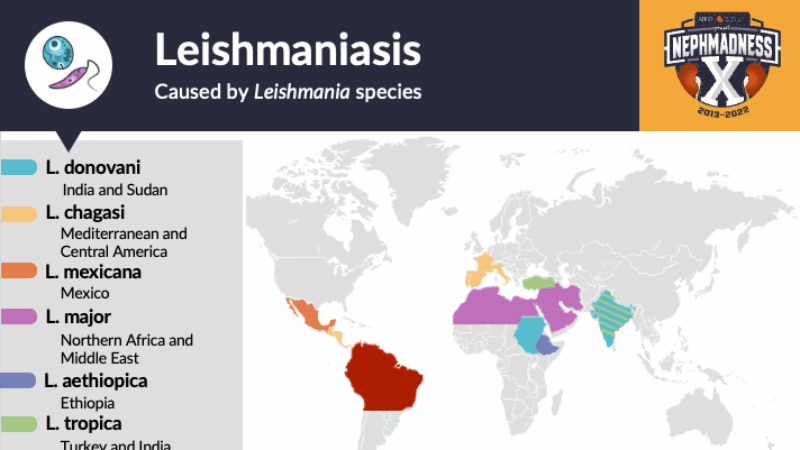
Leishmaniasis currently occurs in approximately 90 countries. These countries are located in the warmer climates where sand flies thrive: in the tropics, subtropics, and in Southern Europe. Climate change and other variations in the environment have the potential to expand the geographical range of where sand flies can live and therefore where the disease can infiltrate the human population.
Epidemiology of Leishmaniasis
Leishmaniasis is a parasitic disease spread by the bite of infected female sandflies. It can affect the skin, mucous membranes, or internal organs. The most serious form, visceral leishmaniasis (VL), damages the liver, spleen, bone marrow, and kidneys, and is caused mainly by Leishmania donovani and Leishmania infantum.
Every year, 1–2 million people are affected, with over 90% of cases concentrated in just 13 countries. While many infections show no symptoms, untreated VL is usually fatal. Malnutrition, HIV co-infection, genetics, and young age (especially under 5) increase the risk of severe disease.